
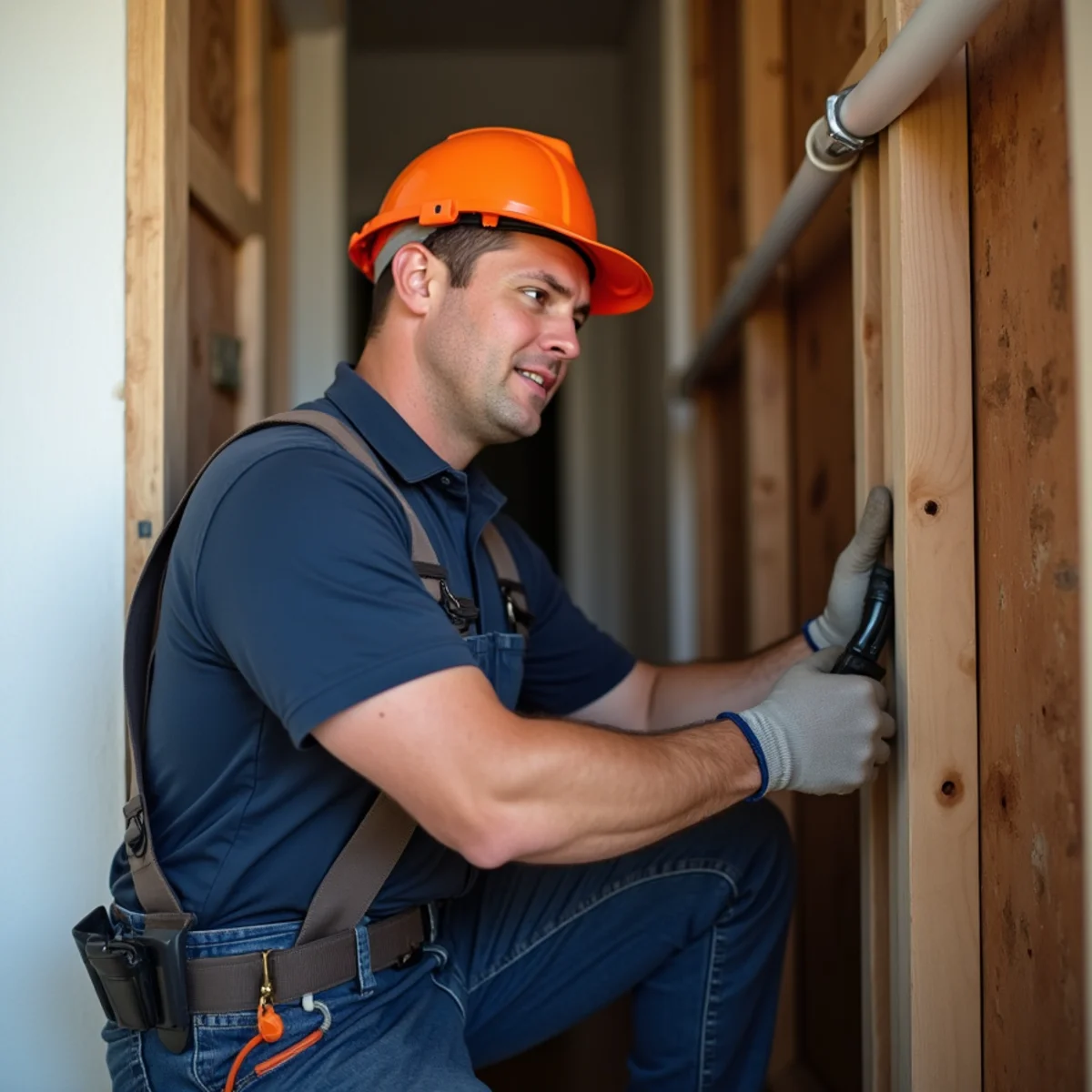
When the same pipes start leaking again and again, patching one pinhole while the next forms down the line, you are past the point of repairs. Repiping replaces the water lines throughout the house so you stop chasing leaks and get consistent pressure and clean water back for good.
Two kinds of McKinney homes tend to need it. Older houses near the historic downtown square often still run galvanized steel that has corroded and clogged from the inside over decades — you see it as brown water and weak pressure. Homes built in certain eras used copper that our hard water and soil chemistry slowly eat through, producing a rash of pinhole leaks. Winter Storm Uri added another chapter, splitting lines that were already thin. Once a system starts failing in multiple spots, replacing it is cheaper and less stressful than living leak to leak.
A repipe sounds daunting, but done right it is a clean, well-planned job — most homes are finished in one to two days, and we back the workmanship for the life of your ownership.
Signs your home may need a repipe
- Repeated pinhole leaks in copper lines
- Brown, rusty, or discolored water (a galvanized sign)
- Weak or dropping water pressure throughout the house
- Visible corrosion, flaking, or green stains on exposed pipes
- Water that takes forever to get hot, or fluctuates in temperature
- Pipes that froze and split during a hard freeze
- A home built with galvanized steel or aging polybutylene
- You are remodeling and the pipes are already at end of life

How we handle it
- 1
Whole-home assessment
We inspect your pipe material, pressure, and problem spots, and map every line — fixtures, hose bibs, and the water heater — so nothing is missed.
- 2
A clear, fixed plan
You get a written scope and price up front: what pipe we are installing, where we access walls, and the timeline, with no surprises mid-job.
- 3
Careful, contained installation
We open drywall only where needed, run new PEX or copper efficiently, and protect your floors and furnishings the whole way through.
- 4
Inspect, patch, and warranty
We pressure-test the new system, coordinate any required inspection, patch the access openings, and back the work with a lifetime workmanship warranty.
PEX vs. copper
Most repipes today use PEX, and for good reason on our water and climate. PEX is flexible, resists the corrosion and scale that plague copper and galvanized here, handles freeze stress better because it can expand slightly, and installs faster with fewer joints to fail. Copper is still an excellent, long-lasting material some homeowners prefer, and we install it when you want it — it just costs more and takes longer.
- PEX — corrosion-resistant, freeze-tolerant, faster to install, budget-friendly
- Copper — proven, rigid, longer install, higher cost, preferred by some
- We help you choose based on your home, water, and budget
What a repipe actually looks like
A common worry is that repiping means tearing the house apart. It does not. We access the lines through small, strategic openings in drywall — usually near fixtures and along runs — replace the piping, then patch those openings. Most single-story McKinney homes are done in a day or two. You have water off for portions of the work, and we plan the schedule around keeping your household running.
Why homeowners trust us with a repipe
This is a job you want done once and done right. We are locally owned, licensed and insured, and every whole-home repipe carries a lifetime workmanship warranty — our commitment that the installation holds up. You get a fixed written price before we start, tidy work, and a crew that treats your home like it is our own.
Why McKinney homeowners choose us for repiping
- Most McKinney homes are repiped in one to two days through small, strategic drywall openings that we patch once the new lines are in.
- Every whole-home repipe carries a lifetime workmanship warranty, our commitment that the installation holds for as long as you own the home.
- PEX resists the corrosion and hard-water scale that eat local copper and galvanized, and it rides out a hard freeze far better than rigid pipe.
- You get a fixed written price and scope before we start, with no surprise change orders sprung on you once the walls are open.
- Licensed, insured, and locally owned, we map every line, fixture, and hose bib up front so nothing is missed on a job you only want done once.
What affects the price
Repiping is quoted for your specific home; the DFW benchmark below is context, and the size and layout of the house set the real number.
- Home size, number of bathrooms, and total fixtures
- One story versus two, and slab versus pier-and-beam
- PEX versus copper
- How accessible the runs are (attic, crawlspace, finished walls)
- Amount of drywall access and patching required
- Upgrading shutoffs, hose bibs, and the water-heater connections
- Permits and any required city inspection
| Service | Typical DFW range* |
|---|---|
| Whole-home repiping | $6,000–$20,000 |
| Leak detection / pipe repair | $200–$800 |
*Benchmarks are DFW context, not a quote. Your written estimate comes after an on-site diagnosis.