
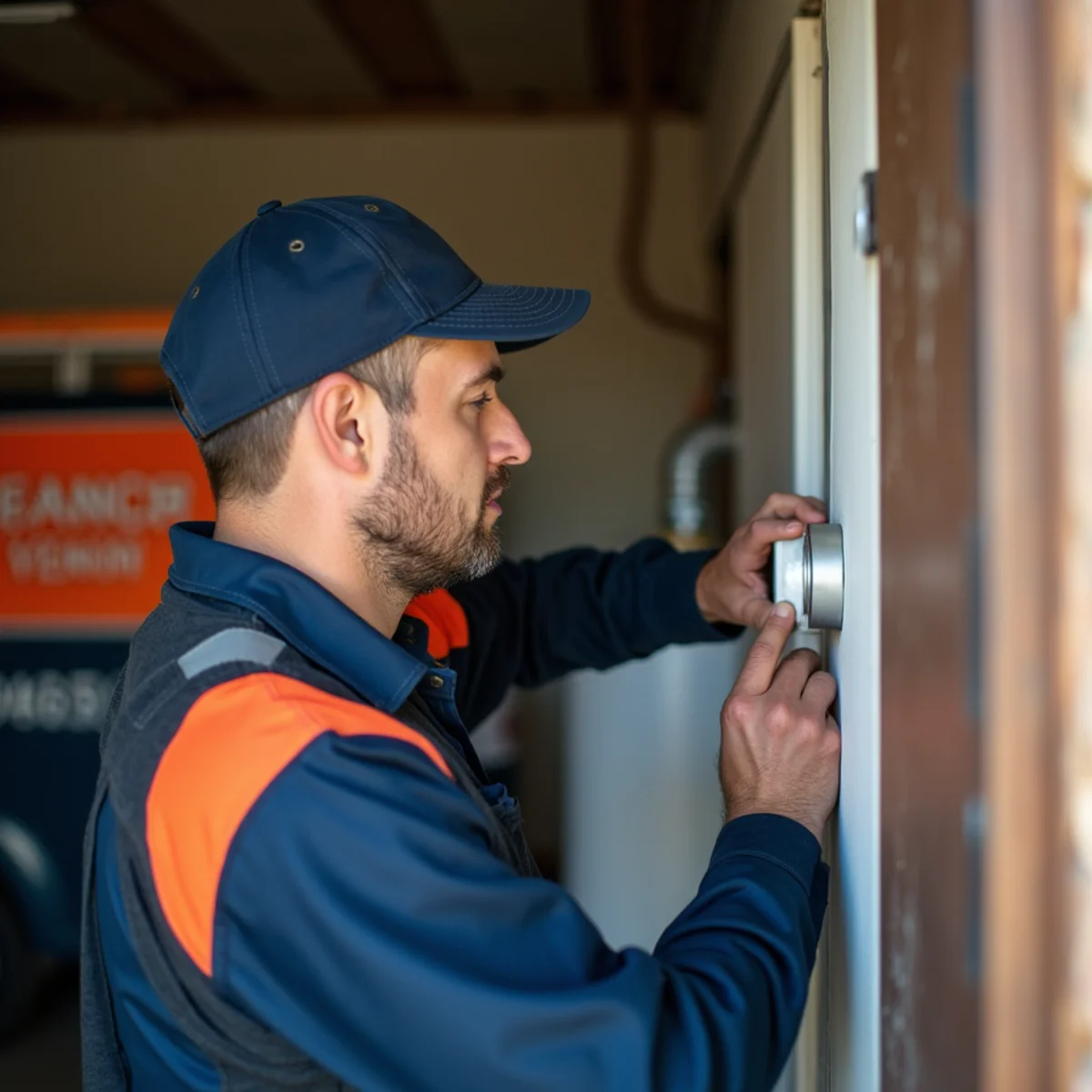
A cold shower is usually the first sign, but a water heater rarely fails without warning. It may have been rumbling for weeks, taking longer to recover, or leaving rust-colored water in the tub. By the time the hot water quits, sediment has often been building inside the tank for years.
Hard water is the reason McKinney heaters wear out faster than the sticker promises. NTMWD delivers chloramine-treated water with a high mineral load, and every time the burner or element heats it, minerals drop out and settle as scale on the bottom of the tank. That scale insulates the water from the heat, drives up the gas or electric bill, and eventually cracks the tank or burns out the element. It is also why a heater that is never flushed can fail years early.
We repair what is worth repairing and replace what is not — and we tell you honestly which is which before any work starts.
Signs your water heater needs service
- No hot water, or it runs out much faster than it used to
- Water is lukewarm no matter how you set the thermostat
- Rumbling, popping, or crackling from the tank (sediment)
- Rusty or cloudy hot water at the tap
- Water pooling around the base of the tank
- A rotten-egg smell in the hot water only
- The unit is 10+ years old and needs frequent repairs
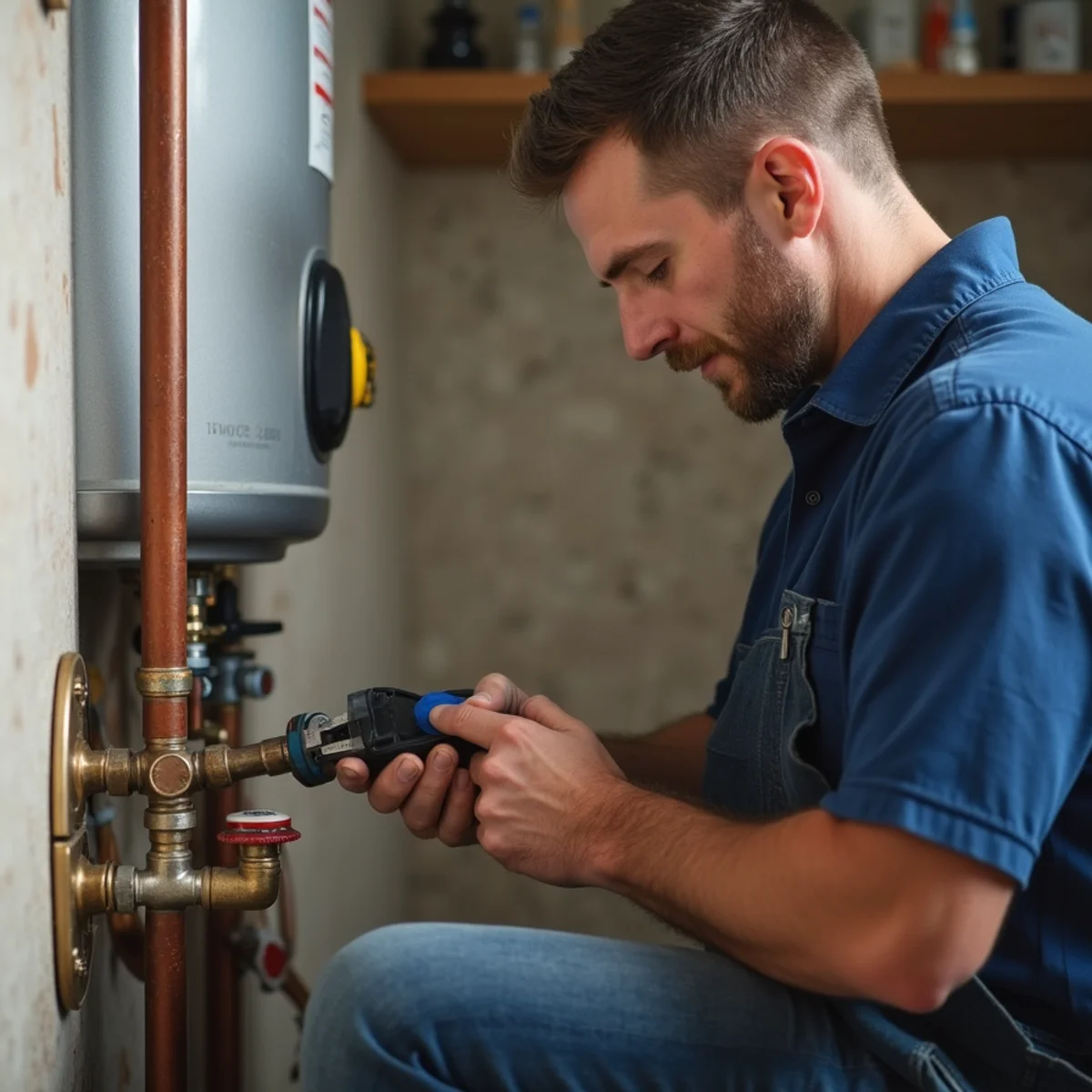
How we handle it
- 1
Diagnose before we quote
We test the thermostat, heating element or burner, gas supply or wiring, and the anode rod, then pinpoint whether it is a repair or the tank itself.
- 2
Lay out repair vs. replace
You get written options with real numbers. A bad element or thermostat is a fix; a leaking tank is a replacement, and we explain why so the choice is yours.
- 3
Install to code
New units are sized to your home and installed with a proper T&P valve, expansion tank, drip pan, and correct venting — inspected and up to Texas code.
- 4
Protect the new unit
We set the temperature safely, walk you through flushing on our hard water, and can add a softener or sediment protection to stretch its life.
Repair or replace?
The honest answer depends on age and what failed. A water heater under 8 years old with a bad thermostat, element, thermocouple, or valve is usually worth repairing. Once a unit is past 10 years, is leaking from the tank body, or needs a repair worth a big fraction of a new one, replacement almost always makes more sense — you stop pouring money into a tank that is on borrowed time.
- Leaking from the tank itself — replace (a tank cannot be patched)
- Bad element, thermostat, or thermocouple — usually repair
- Pilot or ignition trouble on a newer unit — usually repair
- Rusty hot water plus an old tank — plan to replace
- Rising bills and constant popping — sediment; flush or replace
Tank vs. tankless in Collin County
A standard tank heater is the most affordable to install and simple to service — a good fit for most homes. Tankless (on-demand) units heat water as you use it, never run out, and last longer, but they cost more up front and, on our hard water, need annual descaling to stay under warranty. If your family runs out of hot water constantly or you want to reclaim garage space, tankless is worth a look.
Sediment: the silent killer
The popping sound a lot of homeowners ignore is steam bubbles fighting through a layer of hardened mineral at the bottom of the tank. That layer makes the burner work harder, overheats the steel, and shortens the life of the unit. Flushing the tank once a year clears it out. We can do it during any visit and show you how to keep up with it.
Why McKinney homeowners choose us for water heaters
- We stock common tank sizes and can swap a failed standard water heater the same day, so a cold-shower morning does not turn into a cold week.
- We service tank and tankless, gas and electric, and descale tankless units on our hard water so the manufacturer warranty stays intact.
- Work goes in to Texas code under our licensed Responsible Master Plumber, with a proper T&P valve, expansion tank, drip pan, and correct venting.
- We test the thermostat, element, burner, and anode rod before quoting, so you never replace a whole tank when a part is the real fix.
- A yearly hard-water flush is part of how we protect the units we install, since NTMWD mineral scale is what kills McKinney heaters early.
What affects the price
The numbers below are DFW benchmarks — the fuel type, unit size, code upgrades, and repair-vs-replace decision set your actual quote after we diagnose on site.
- Repair versus full replacement
- Gas versus electric, and tank versus tankless
- Tank capacity and the brand you choose
- Code upgrades — expansion tank, drip pan, venting, or gas line
- How accessible the unit is (attic, tight closet, garage)
- Hard-water add-ons like a softener or sediment filter
- Hauling away and disposing of the old unit
| Service | Typical DFW range* |
|---|---|
| Water-heater repair | $300–$900 |
| Tank water-heater replacement | $1,200–$2,500 |
| Tankless replacement | $2,000–$3,500 |
*Benchmarks are DFW context, not a quote. Your written estimate comes after an on-site diagnosis.