
Nobody wants to hear they need a whole-house repipe. It is the plumbing project homeowners put off longest, because it sounds big and expensive. But repiping is the one repair that actually ends the problem instead of postponing it, and the pipes almost always give you plenty of warning before they force the issue.
Homes across Plano and McKinney span a wide range of ages — from the historic housing near downtown McKinney with galvanized supply, to the polybutylene and early copper of certain eras, to newer builds. Each has its own failure pattern, but the warning signs are similar. When you see several of them together, spot repairs stop making financial sense.
Here are the five signs that tell us a home is due for a repipe rather than another patch.
1. Discolored or rusty water
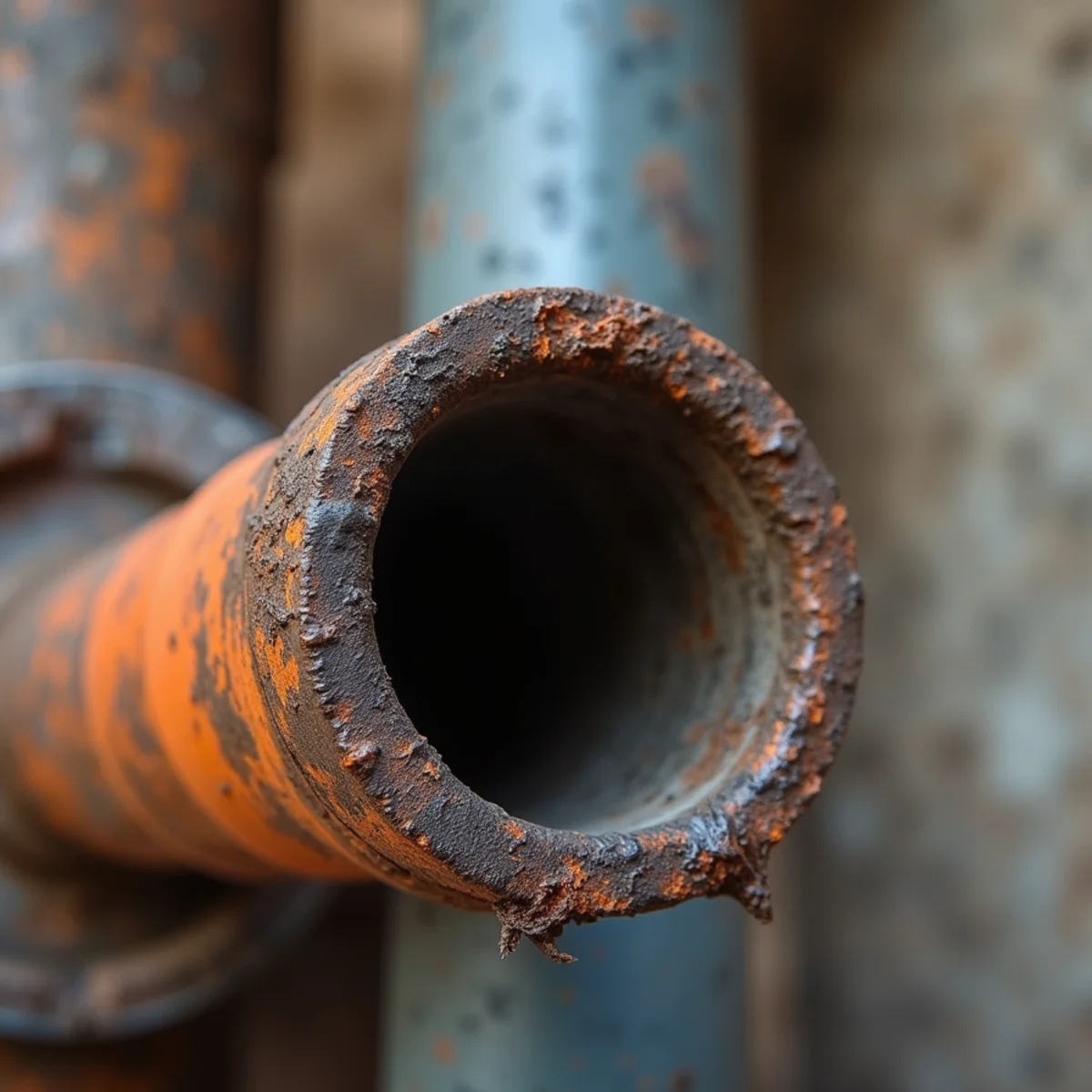
Turn on a tap that has not run overnight, and if the water comes out brown, yellow, or rust-tinted, your supply pipes are corroding from the inside. Galvanized steel is the usual culprit — the protective zinc coating wears away and the exposed steel rusts, shedding into your water. The discoloration is worst first thing in the morning because the water has been sitting in the pipe.
Occasional discoloration after the city flushes a main is normal. Persistent rusty water from your own fixtures is not, and no filter fixes corroding pipe — it only masks it. This is one of the clearest signals that the pipe itself, not the water, is the problem.
2. Repeated pinhole leaks
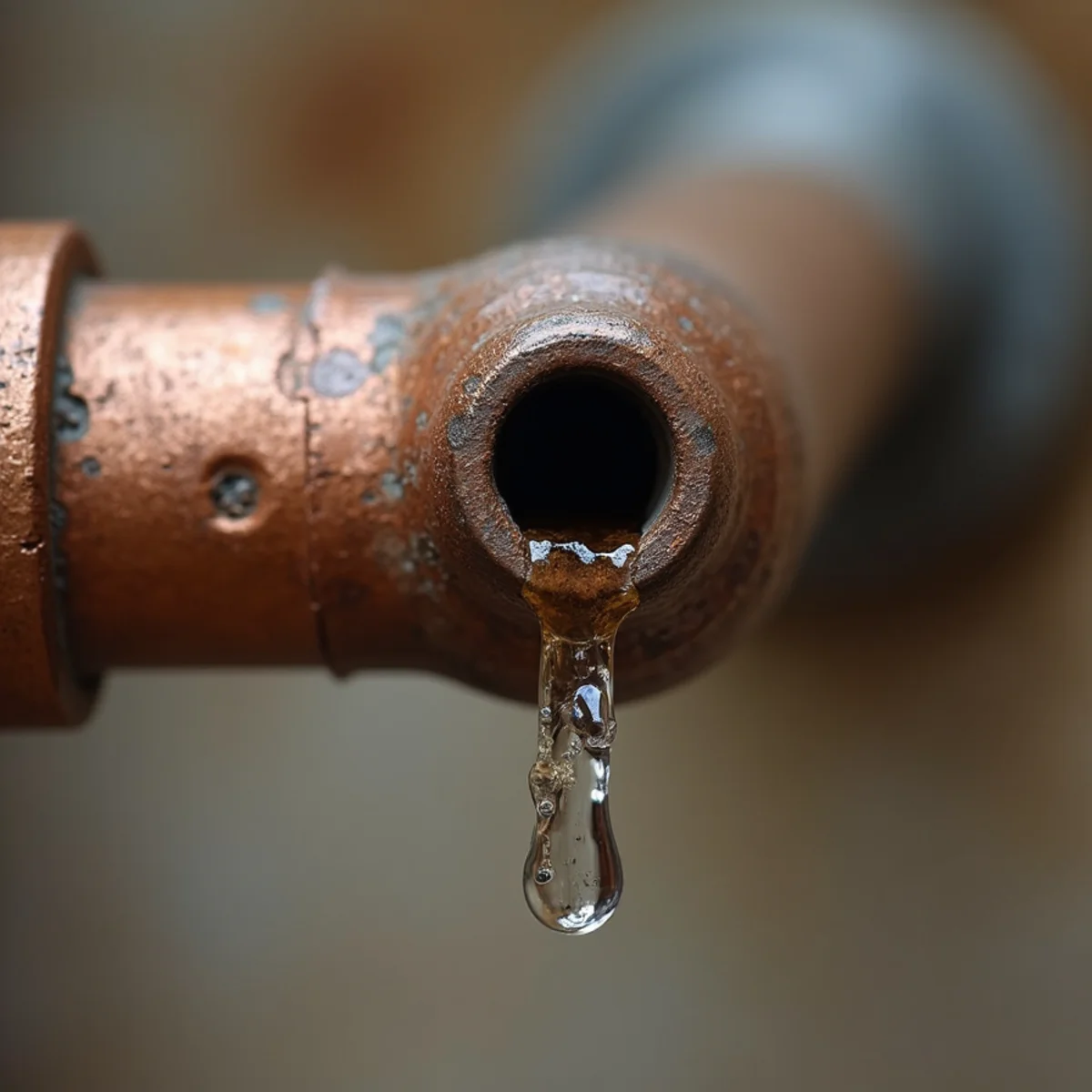
A pinhole leak is a tiny hole that opens in a corroded pipe wall, usually copper. The first one feels like bad luck. The second one, a few months later in a different spot, is a pattern — and a pattern of pinhole leaks means the corrosion is systemic. You are not fixing bad luck; you are chasing a pipe that is failing all over.
North Texas water chemistry and high supply pressure both contribute to pinhole corrosion, which is why we also check your pressure and recommend a pressure-reducing valve where it is missing.
3. Low water pressure everywhere
If the pressure has faded throughout the house — not at one fixture, but everywhere — and cleaning the aerators did nothing, the pipes are likely narrowing from the inside. Corrosion and scale build up on the interior walls of galvanized pipe until a half-inch line has the effective diameter of a straw. Once that happens, no amount of cleaning restores the flow. The only fix is new pipe.
A single weak fixture is usually a local issue — a clogged aerator or a bad cartridge. House-wide decline that has crept up over years points at the supply lines themselves.
4. The pipes are simply old
Material and age matter as much as symptoms. Different pipe materials have known service lives, and once a home crosses them, failure is a question of when, not if:
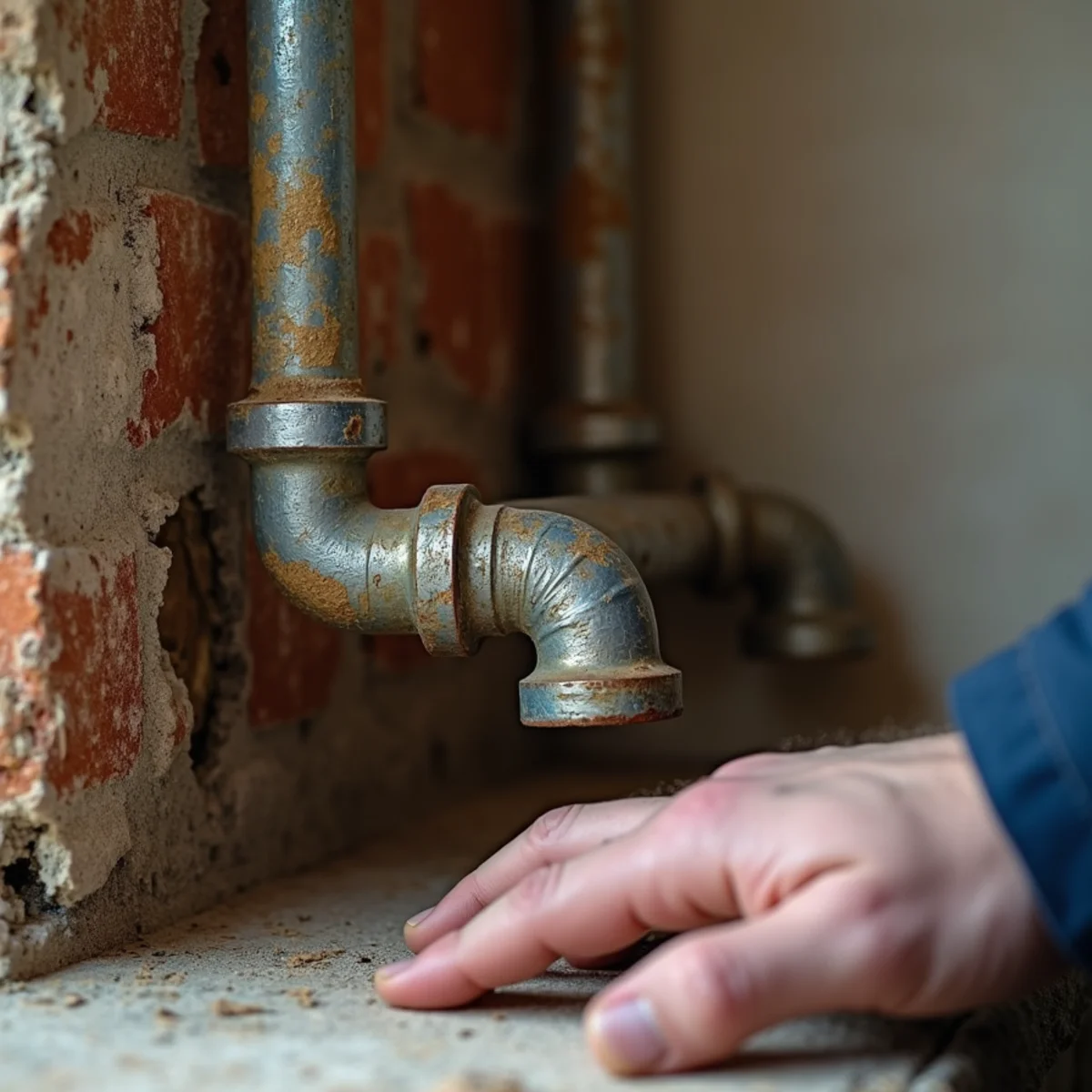
- Galvanized steel: 40 to 70 years. Common in pre-1960 homes, including the historic housing near downtown McKinney. Expect corrosion, rusty water, and pressure loss.
- Polybutylene: installed roughly 1978 to the mid-1990s, usually gray. It becomes brittle and fails unpredictably, and it is widely considered a repipe candidate regardless of current symptoms.
- Copper: 50-plus years, but earlier than that in aggressive water or high pressure, where pinhole leaks show up.
- Older PVC and early plastic supply: can degrade at joints over time.
If you know your home has polybutylene or aging galvanized supply, do not wait for it to burst. That is the situation where planning a repipe on your schedule beats reacting to a flood on someone else’s.
5. Frequent leaks and unexplained water damage
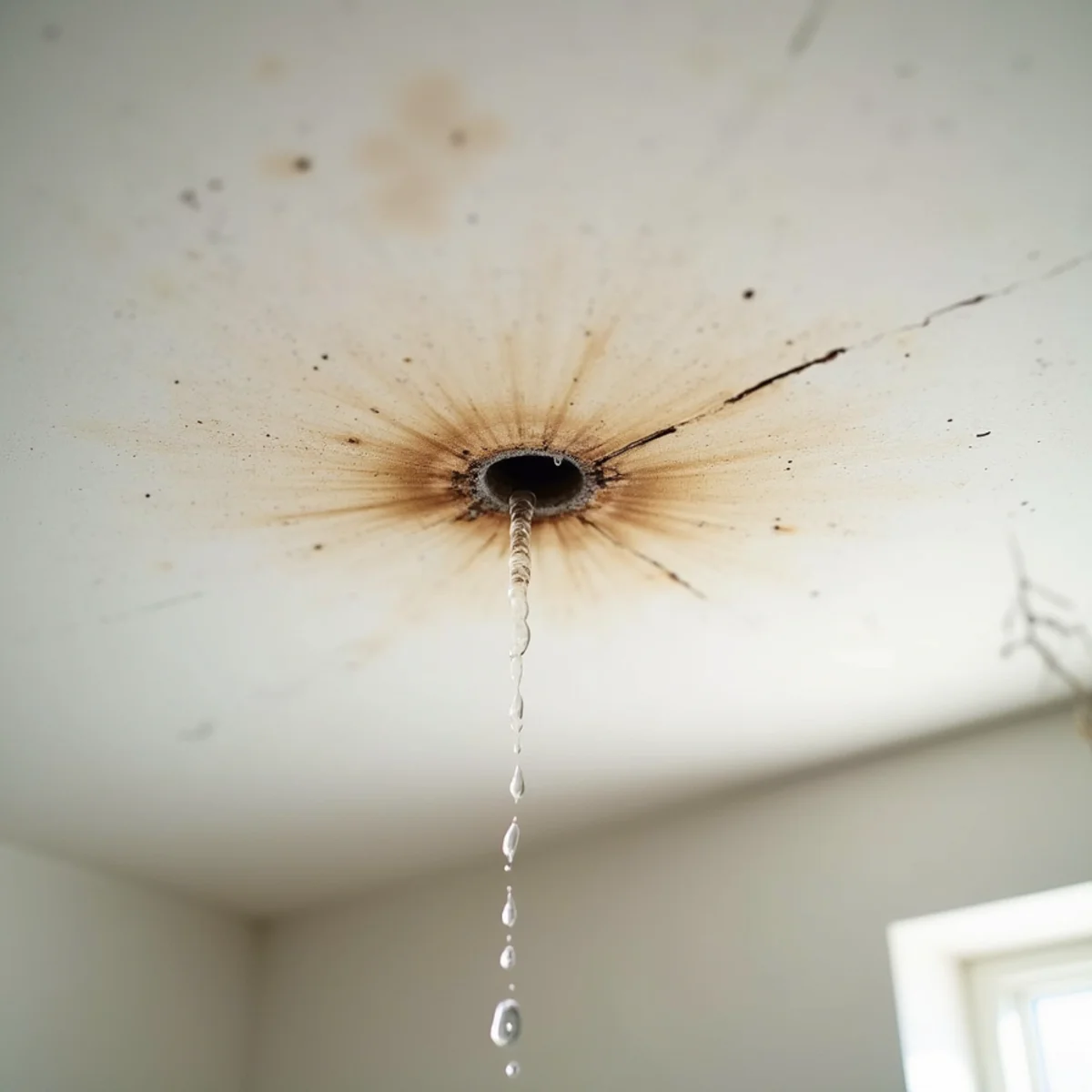
Beyond pinholes, a pattern of leaks — a slab leak here, a wall stain there, a mystery spike in the water bill, the sound of running water when everything is off — says the whole system is tired. In Plano and McKinney, the Blackland Prairie clay adds its own stress: the soil swells and shrinks with the seasons and works against aging pipe, which is a leading cause of slab leaks in our area.
What a repipe actually involves
Modern repipes use PEX or copper and are far less disruptive than homeowners fear. A skilled crew routes new lines through existing wall and ceiling cavities with minimal, well-placed access openings, and most homes are done in a matter of days with water restored each night. We back whole-home repipes with a lifetime workmanship warranty, because the point is to never touch those supply lines again.
Whole-home repiping across DFW commonly runs $6,000 to $20,000 depending on the home’s size, layout, and pipe material — a real number, but one that has to be weighed against endless patch repairs and water damage. An on-site diagnosis sets your actual quote. If you are seeing two or more of these signs, call (831) 290-4327 and we will give you a straight assessment.


Frequently asked questions
One isolated leak is usually a repair. When you see several signs together — rusty water, repeated pinhole leaks, house-wide pressure loss, and aging pipe material — the whole system is failing and a repipe is more cost-effective than chasing patches. We confirm with an inspection before recommending it.
McKinney Pro Plumbers
Licensed McKinney plumbers serving Collin County and North Texas. Work performed under a Texas Responsible Master Plumber (TSBPE). Questions? Call (831) 290-4327.