

A slab leak is a water line failing underneath your concrete foundation, where you cannot see it and it can run for weeks before you notice. The water has to go somewhere — into the slab, up through the flooring, or out into the soil — and by the time it shows on the surface it has usually been leaking a while. Caught early, it is a contained repair. Ignored, it undermines the very foundation the house sits on.
McKinney sits on Blackland Prairie expansive clay, the Houston Black soil that roughly two-thirds of local homes are built over. It swells when it rains and shrinks in drought, and that constant heaving flexes the water lines running through and under the slab until a joint or a length of copper gives way. It is the top cause of slab leaks in North Texas — but here is the honest part: clay soil does not prove you have a slab leak. Plenty of the symptoms below have other explanations. That is exactly why we diagnose before we ever open a floor.
Our approach is find it first, then fix it with the least disruption. Electronic listening equipment, pressure testing, and moisture readings let us pinpoint the leak instead of jackhammering a search pattern across your living room. Once we know precisely where it is, we choose the repair that makes sense for that specific leak. Call (831) 290-4327 and we will confirm what is actually going on before anyone swings a hammer.
Signs of a possible slab leak
- A water bill that jumped with no change in how much you use
- The sound of running water when every fixture is off
- A warm or hot spot on the floor, often from a hot-water line leak
- Cracks appearing in flooring, tile, or interior walls
- Damp, warped, or discolored spots on floors or carpet
- Low water pressure throughout the house
- A musty smell or unexplained mold near the floor
- The water meter creeping even with everything shut off
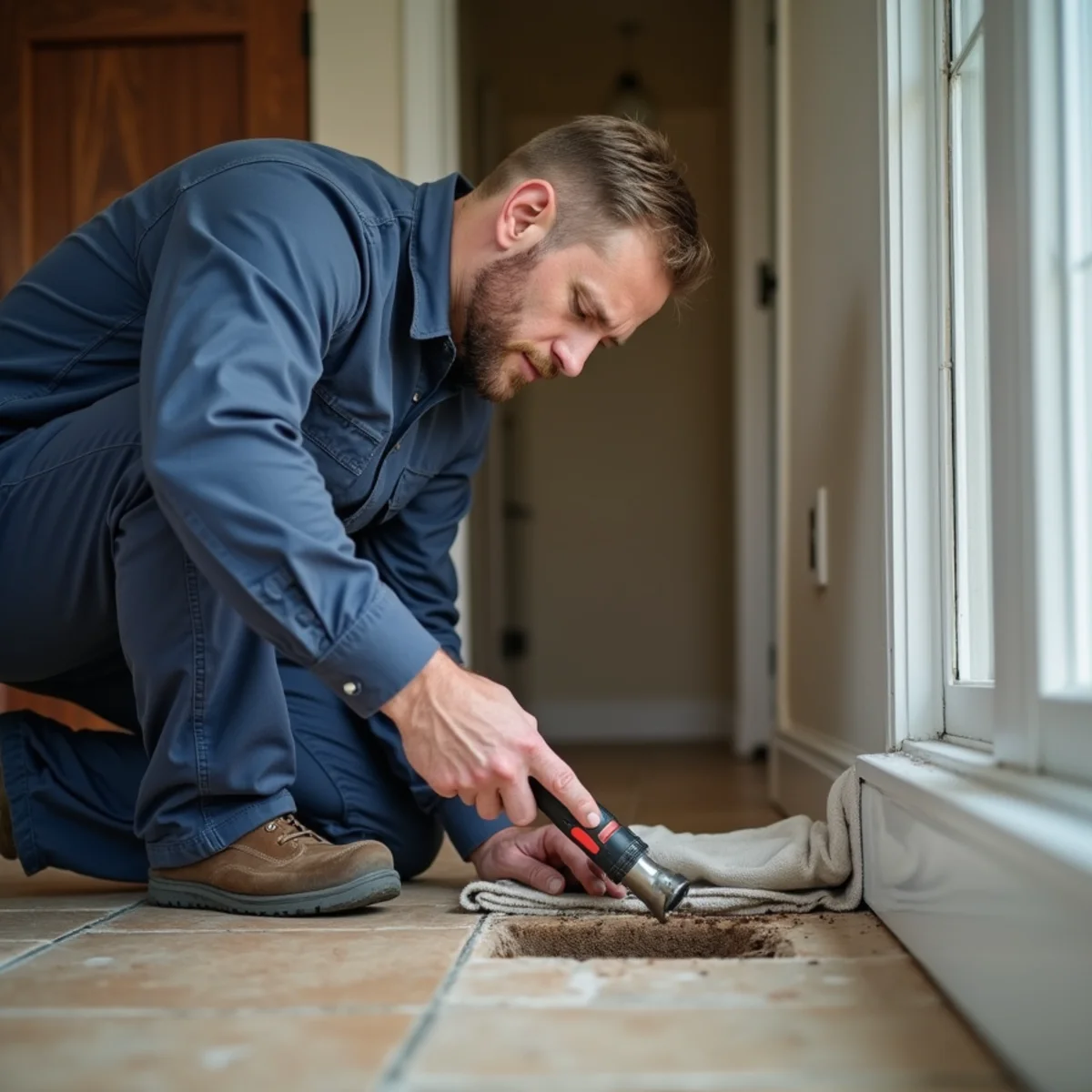
How we handle it
- 1
Confirm there is a leak
Before we touch the slab, we verify an actual under-slab leak with a meter check and a pressure test — clay soil and these symptoms alone are not proof.
- 2
Pinpoint the location
Electronic acoustic listening and moisture readings narrow the leak to a precise spot so the repair is targeted, not exploratory.
- 3
Recommend the right repair
We walk you through the real options for that leak — spot repair, reroute, or repipe — with the trade-offs of each, not a one-size answer.
- 4
Make the repair
We complete the chosen fix with the least demolition the situation allows, whether that is a targeted access or a reroute that avoids opening the slab.
- 5
Test and verify
We pressure-test the line and confirm the leak is gone before we close anything back up, so you are not paying twice.
Why we diagnose before we demolish
Opening a slab is disruptive and expensive, so the worst thing a plumber can do is guess at the location. We use electronic acoustic detection to hear the leak through the concrete, pressure isolation to confirm which line is failing, and moisture meters to map where water has traveled. That legwork is what lets us make a small, precise repair instead of a large exploratory one.
How we repair a slab leak
There is no single right answer — the best repair depends on the pipe’s age, the leak’s location, and how many problems the line has had. We explain the trade-offs so you can decide with full information.
Spot repair
When a single, accessible spot has failed and the rest of the line is sound, we access that one point and repair it. It is the least invasive option and often the right call for a first, isolated leak.
Reroute
Rather than tunnel to a leak buried deep under a room, we can sometimes abandon the failed run and route a new line through the walls and attic. This avoids opening the slab entirely and can be faster than the alternative.
Repipe
If a line has leaked more than once or the piping is at the end of its life, patching one spot only buys time until the next failure. In that case a partial or whole-home repipe is the more economical path, and it carries our lifetime workmanship warranty.
Catching a slab leak early saves your foundation
A slab leak left running does more than waste water. Constant moisture under the foundation changes how the clay behaves and can accelerate the very movement that caused the leak, feeding a cycle of shifting and cracking. The sooner it is found and stopped, the smaller the repair and the less risk to the structure.
- Watch your water bill for an unexplained jump
- Listen for running water when the house is quiet and everything is off
- Check for warm spots on the floor that suggest a hot-water line
- Do not wait out damp flooring or new cracks — get it diagnosed
Why McKinney homeowners choose us for slab leak repair
- We locate slab leaks with electronic acoustic listening, pressure isolation, and moisture readings, so we make a small targeted repair instead of jackhammering a search pattern.
- We prove there is an under-slab leak — and exactly where — before opening any concrete, because Blackland clay and these symptoms alone are not proof.
- Fifteen-plus years over Houston Black clay tell us how the soil's swell-and-shrink stresses the copper under your slab, so we know precisely what we are listening for.
- We lay out the honest options — spot repair, reroute, or repipe — with the trade-offs of each, rather than defaulting to the most expensive fix.
- A whole-home repipe from a slab leak carries our lifetime workmanship warranty, and every job comes with upfront written pricing after the diagnosis.
What affects the price
Slab leak cost swings widely with location and repair type — a spot fix is nothing like a reroute under a room. These DFW benchmarks give context; the diagnosis sets your quote.
- How deep and where under the slab the leak sits
- Whether a spot repair, reroute, or repipe fits the situation
- Access — under a room versus near an exterior wall
- Flooring type over the leak (tile, wood, carpet)
- Whether tunneling is needed to avoid interior demolition
- Age and material of the existing pipe
- Extent of any moisture damage already present
| Service | Typical DFW range* |
|---|---|
| Leak detection / pipe repair | $200–$800 |
| Slab-leak repair | $500–$4,000 (up to ~$5,500 with tunneling / reroute) |
| Whole-home repiping | $6,000–$20,000 |
*Benchmarks are DFW context, not a quote. Your written estimate comes after an on-site diagnosis.