
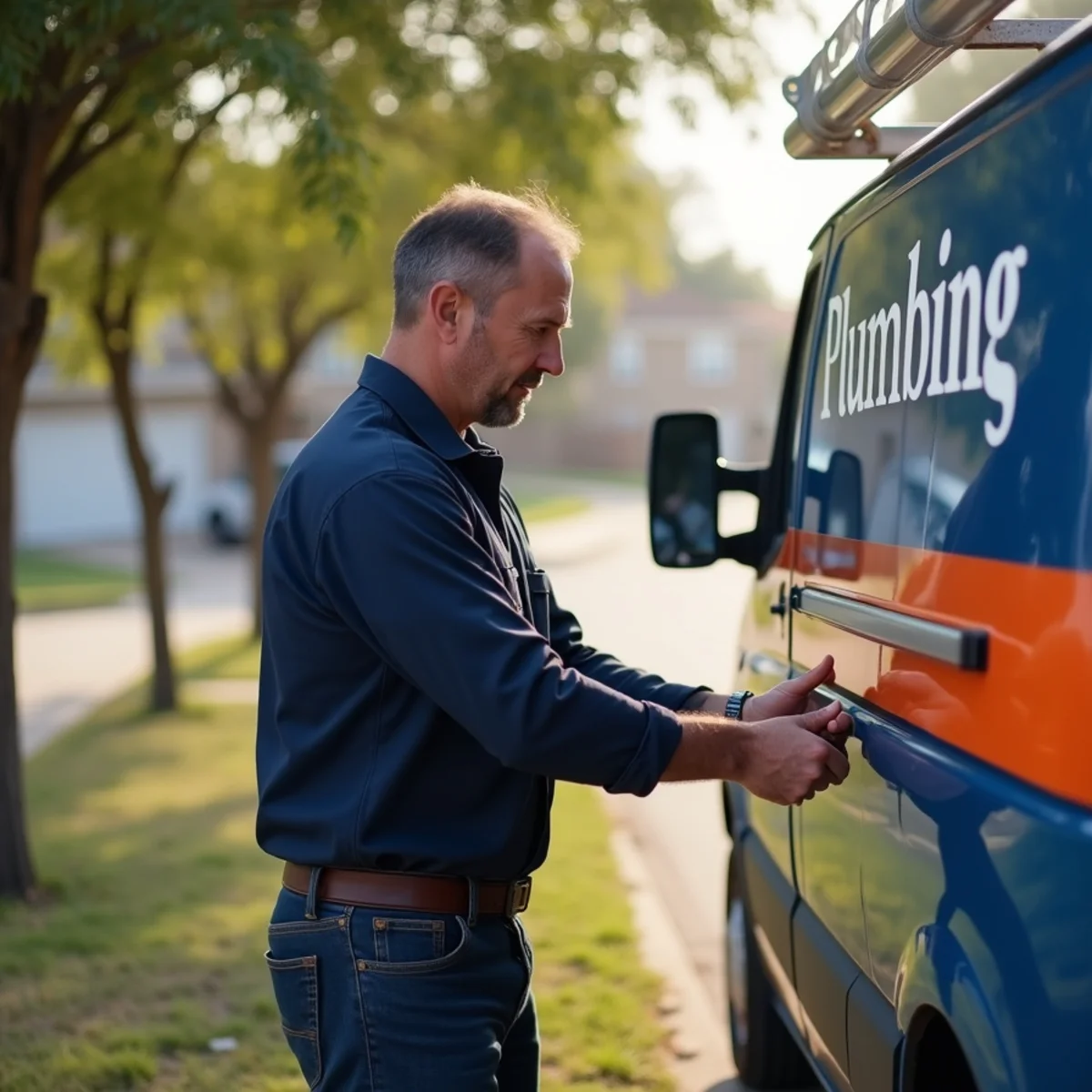
The gap between one tenant moving out and the next moving in is short and busy — paint, clean, repair, re-list. It is tempting to skip the plumbing if nothing is obviously broken. That is usually a mistake. Turnover is the only time the unit is empty and you control the schedule, which makes it the cheapest possible moment to catch a problem before it becomes a 2 a.m. call from a new tenant.
Commerce and Greenville have a healthy mix of student housing near Texas A&M University-Commerce, older homes, and small multi-family properties. Many of these units have plumbing that has seen years of hard use and deferred attention, and tenants are not always quick to report a slow drip or a running toilet that is quietly running up the water bill.
Here is the turnover plumbing checklist we recommend to landlords, prioritized so you spend the most attention where the failures are most expensive.
Start where a failure costs the most: leaks and the water heater
Hunt for leaks
A hidden leak is the most expensive thing you can miss at turnover, because it runs unnoticed and does damage the whole time. With the unit empty, this is the easy check: with every fixture off, watch the water meter — if it moves, water is escaping somewhere. Then look under every sink, behind toilets, around the water heater, and at any ceiling or wall stains that hint at a leak above or behind.
Evaluate the water heater
The water heater is the item most likely to fail on the new tenant and generate an after-hours emergency call. At turnover, note its age, look for rust or moisture at the base, test the T&P relief valve, and flush the tank — the hard water here loads tanks with sediment. A unit past ten years old that is showing rust is better replaced now, on your budget, than in an emergency at a premium.
Fixtures and toilets: small parts, real money
These are the quiet budget leaks. A running toilet or a dripping faucet does not flood anything, so it gets ignored — while it wastes water you are often paying for. Go through every fixture:
- Check every toilet for a running flapper, a weak flush, a wobble at the base (a failing wax ring), and leaks at the tank bolts and supply line.
- Test all faucets for drips, weak flow, and leaks at the base and under the sink.
- Run tubs and showers; check for slow drains, dripping valves, and grout or caulk gaps that let water reach the subfloor.
- Confirm every shut-off valve under sinks and behind toilets actually turns and holds — seized valves make the next repair harder and slower.
- Test the water pressure; consistently high pressure shortens the life of everything and may mean a pressure-reducing valve is needed.
Standardizing on durable, quality fixtures across a portfolio pays off — fewer callbacks, easier parts sourcing, and a unit that shows better to prospective tenants.
Drains and the sewer line
Tenants are hard on drains, and they rarely mention a slow one until it is a full backup. With the unit empty, clear anything that drains slowly now rather than handing the next tenant a clog waiting to happen.
- Run water in every sink, tub, and shower and note any that drain slowly or gurgle.
- Clear slow drains properly — a professional cable machine does what a store-bought snake will not.
- For an older property or one with a history of backups, consider a sewer-camera inspection. Roots and pipe defects in the Blackland Prairie clay cause main-line backups, and catching one during a vacancy is far cheaper than an emergency later.
- Confirm the kitchen line is clear if the unit has a garbage disposal — grease clogs are the most common recurring drain call.
Freeze protection and the exterior
North Texas hard freezes burst pipes, and a vacant or newly occupied unit with an unfamiliar tenant is exactly where a freeze burst goes undiscovered longest. Turnover is a good time to shore up the basics.
- Insulate exposed pipes in attics, garages, and along exterior walls.
- Check and cover outdoor hose bibs; confirm they do not drip.
- If the unit will sit vacant through winter, decide whether to keep minimal heat on or to winterize and drain the system.
- Make sure the main shut-off is accessible and works, and label it — a new tenant should be able to find it fast in an emergency.
Build a repeatable turnover routine
The landlords who avoid emergency calls treat plumbing as a standard part of every turnover, not an afterthought when something breaks. A consistent checklist, the same trusted plumber each time, and a small preventive budget per unit turn plumbing from an unpredictable emergency expense into a planned line item.
We work with landlords across Commerce, Greenville, and the surrounding area on turnover inspections and repairs, and we are available around the clock when a tenant does hit a real emergency. Call (831) 290-4327 to set up a turnover visit or to talk through a routine for your units.
Frequently asked questions
Prioritize leaks and the water heater, since those cost the most when they fail. Then work through toilets, faucets, tub and shower valves, shut-off valves, slow drains, water pressure, and freeze protection. Document what you serviced for your records and deposit protection.
McKinney Pro Plumbers
Licensed McKinney plumbers serving Collin County and North Texas. Work performed under a Texas Responsible Master Plumber (TSBPE). Questions? Call (831) 290-4327.