
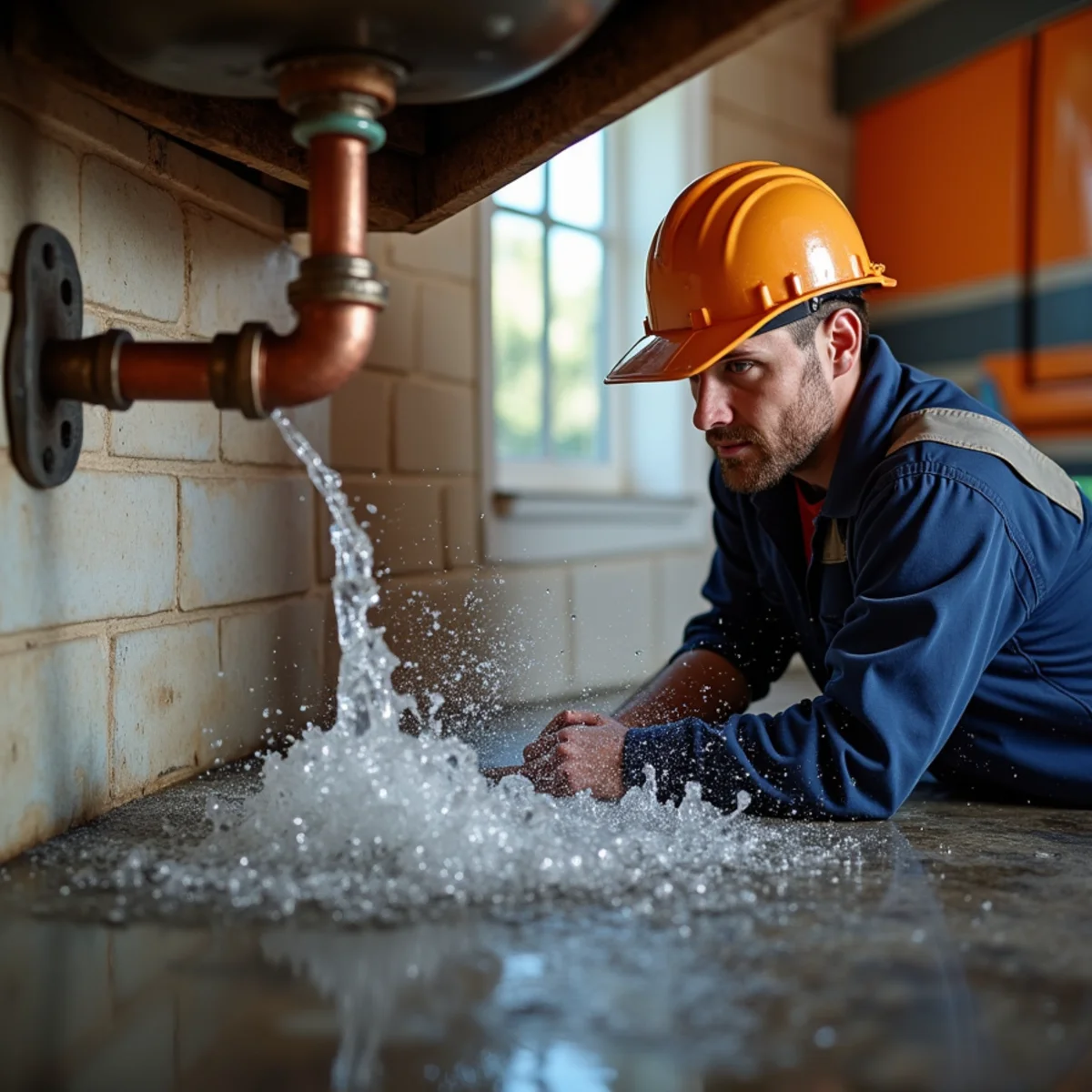
A burst pipe is loud, fast, and easy to panic over. A half-inch supply line under pressure can push several hundred gallons into your home in an hour, and water finds every low spot in a slab-foundation house before you have your shoes on.
The good news: the first ten minutes matter more than anything a plumber does later. If you shut the water off and move the right things, you turn a flooded house into a manageable repair. Here is exactly what to do, in order, whether the break is in a wall, under the slab, or out at the meter.
Step 1: Shut off the water — main first, fixture second
Stopping the flow is the whole game. If you know which fixture is involved, close the small shutoff valve under the sink or behind the toilet. If you can't tell where the water is coming from, or it's inside a wall, go straight to the main shutoff and kill everything.
In most McKinney homes the main shutoff is one of two places: an interior valve where the water line enters the house (often in a utility closet, garage wall, or near the water heater), or the city meter box near the curb. The meter box is a rectangular concrete or plastic lid in your front yard. Lift it, find the valve, and turn it a quarter-turn until it's crosswise to the pipe.
Step 2: Kill the power to wet areas
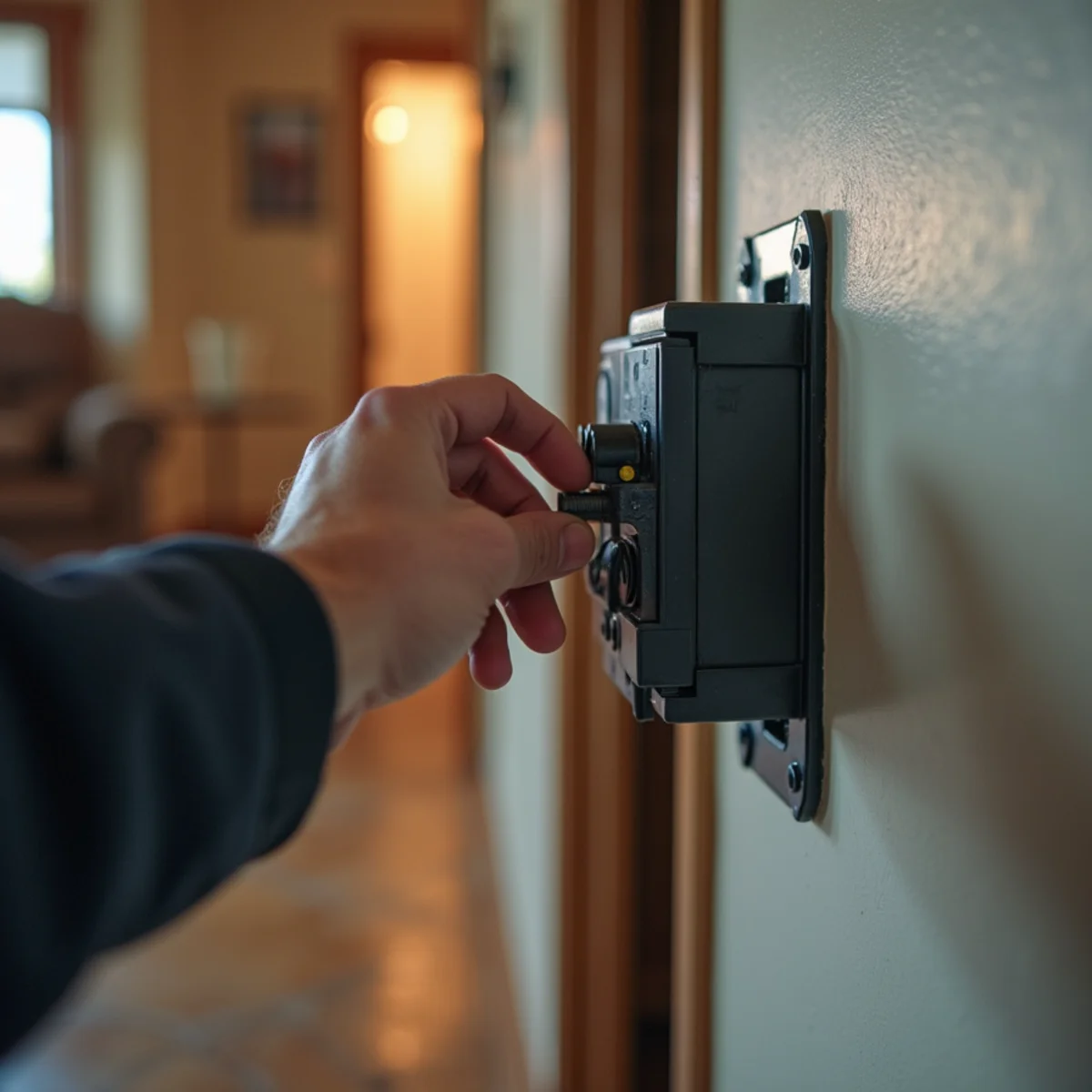
Water and electricity together are the real danger in a flood. If water is near outlets, light fixtures, or your electrical panel, switch off the breakers to those areas at the panel — but only if you can reach it without standing in water. If the panel itself is wet or you'd have to wade to it, stay out and call an electrician or the fire department.
This matters most for basements and slab homes where water pools fast against baseboards and behind cabinets, exactly where outlets sit.
Step 3: Drain the lines and relieve pressure
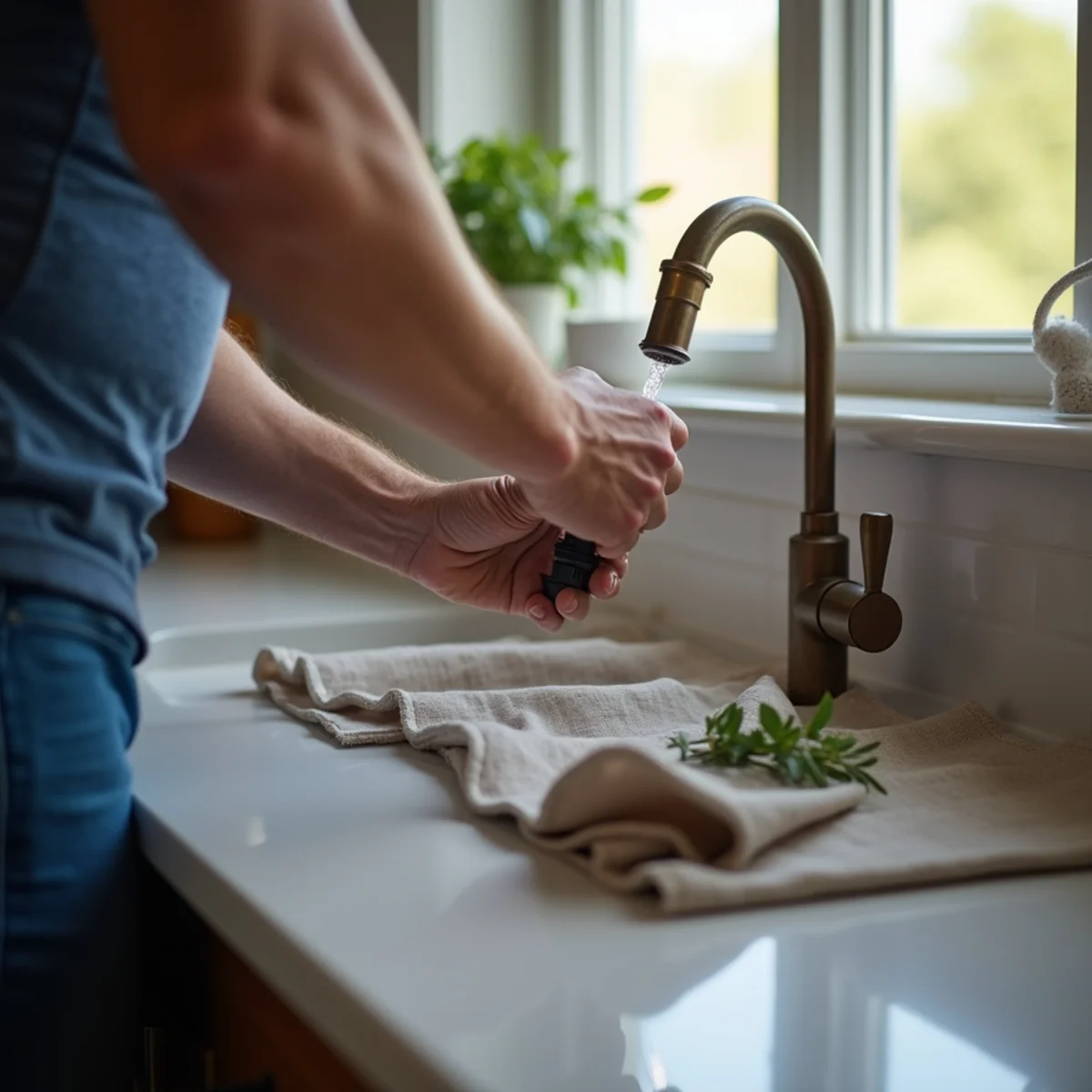
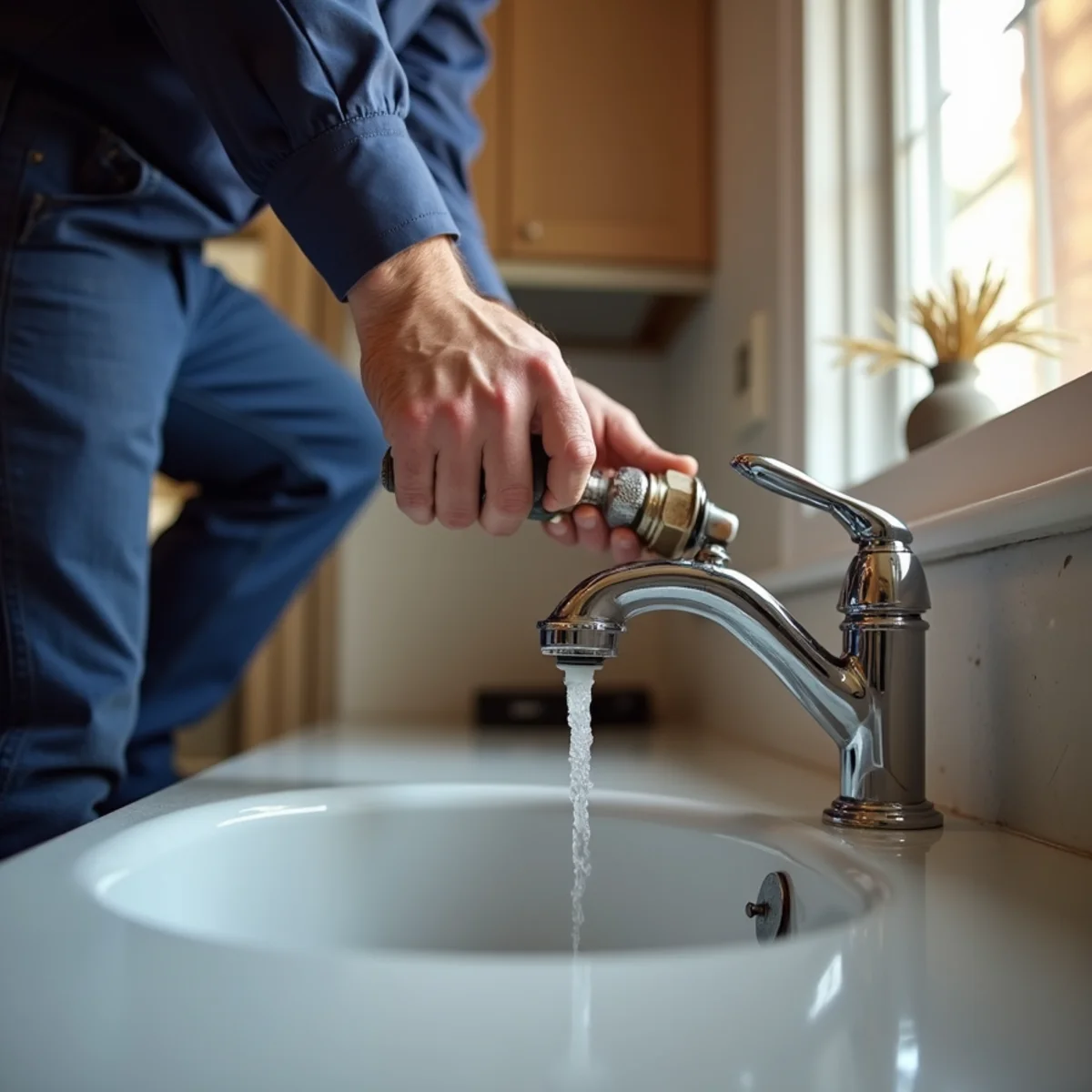
Once the main is off, open the lowest faucets in the house and flush the toilets. This drains the water sitting in your pipes so it stops feeding the leak, and it relieves pressure on the rest of the system. Open an outside hose bib too if you have one on the low side of the house.
If the burst happened during a freeze, opening faucets also gives any remaining ice somewhere to expand instead of splitting another section of pipe.
Step 4: Move water away from what you can save
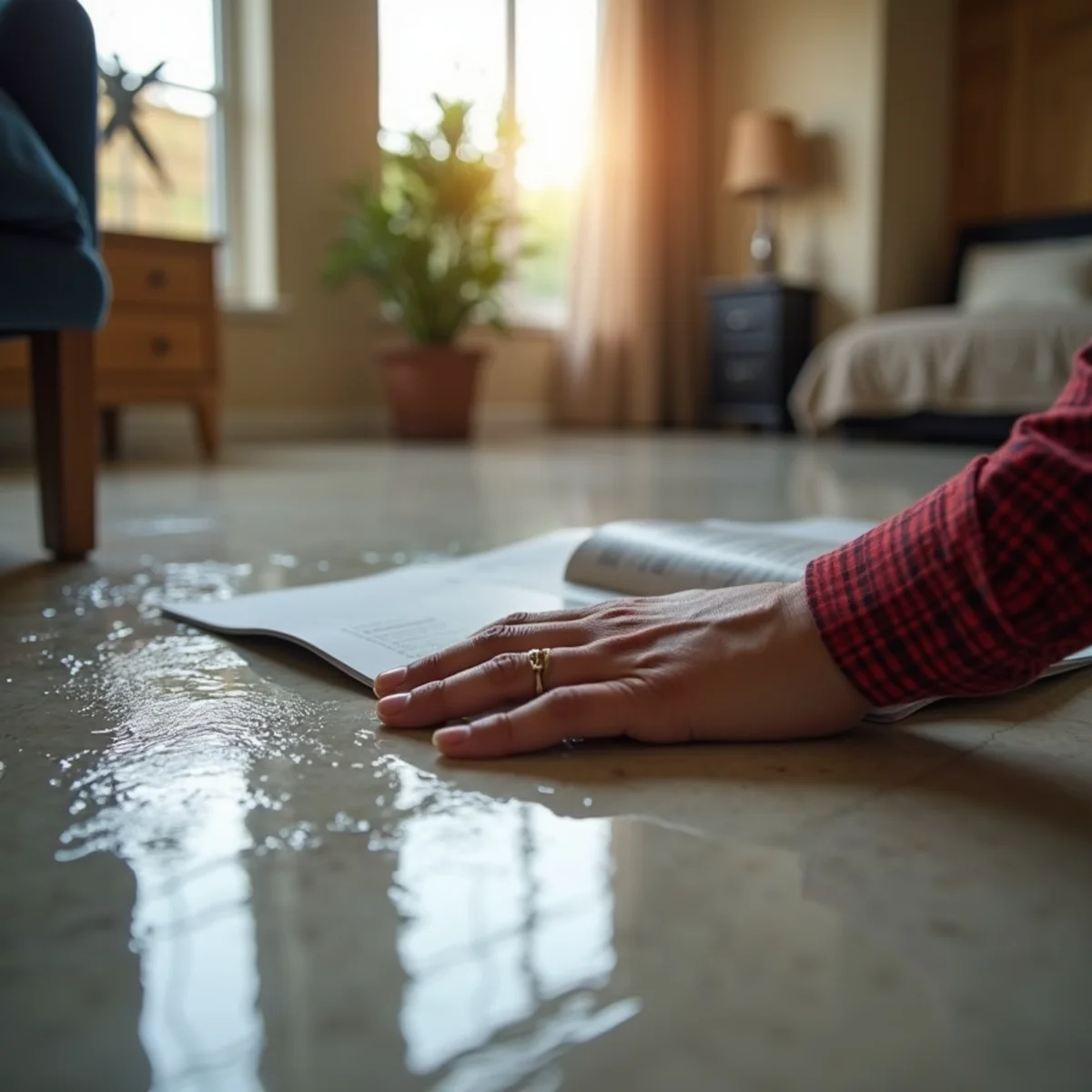
Now you're in cleanup mode. Get towels, a wet/dry vacuum, and buckets working. Pull rugs, move furniture legs onto foil or wood blocks, and lift anything paper, electronic, or fabric off the floor. Standing water wicks up drywall and into cabinet bases within an hour, so speed here saves materials.
- Pull up area rugs and move them outside to dry
- Get electronics, documents, and photos off the floor immediately
- Open windows and run fans — airflow slows mold, which can start in 24 to 48 hours
- Snap photos and video of everything before you clean it up
Step 5: Document everything, then call
Before the mess disappears, photograph the burst pipe, the standing water, and every damaged item. Texas homeowners policies often cover sudden pipe bursts and the resulting water damage, but they lean on documentation. Timestamped photos and a running list of damaged items make a claim go smoothly. Don't throw damaged materials away until your adjuster or plumber has seen them.
Then call a licensed plumber. A real repair means finding the exact break, replacing the failed section (not just patching it), and pressure-testing the system before the water goes back on. If the pipe froze and split, it's worth checking nearby runs — one freeze rarely damages just one spot.

Frequently asked questions
A typical half-inch supply line under normal household pressure can push out roughly 4 to 8 gallons a minute — several hundred gallons an hour. That's why shutting the main off in the first few minutes is the single most important thing you can do.
McKinney Pro Plumbers
Licensed McKinney plumbers serving Collin County and North Texas. Work performed under a Texas Responsible Master Plumber (TSBPE). Questions? Call (831) 290-4327.